Affordable housing has become one of the major global issues facing societies in the 21st century. With many cities continuing to expand and the cost of living rising, millions of people struggle to find adequate and affordable housing. Demand for affordable housing is reaching critical levels, not only in developing countries but also in major cities worldwide. This requires innovative thinking and strong policy support, requiring governments, the private sector, and civil society to collaborate to address this challenge.
The Global Housing Crisis
The world’s urban population is increasing at an unprecedented rate. The United Nations estimates that by 2050, about 70% of the entire world’s population will be living in cities. However, growth in the population usually outpaces building within cities. In many cases, this leads to surges in property prices and inequality. In many metropolitan areas, young professionals and lower- to middle-class families have become priced out of the housing market.
As once noted by the former Executive Director of UN-Habitat, Dr. Joan Clos, “A city is only as strong as its housing.” His remark underlined the fact that housing is not just a commodity but a source of social stability, economic productivity, and human dignity.
Emerging Trends in Affordable Housing
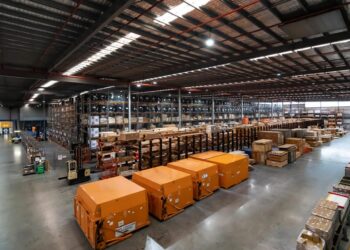
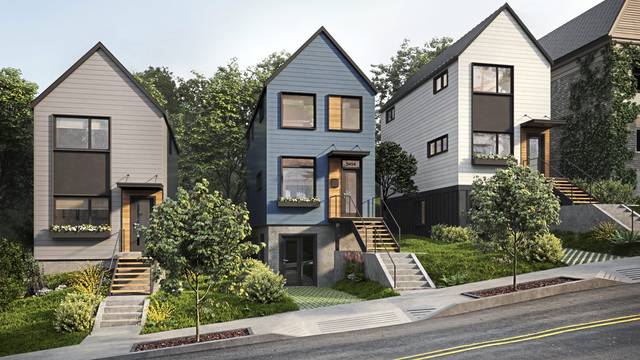
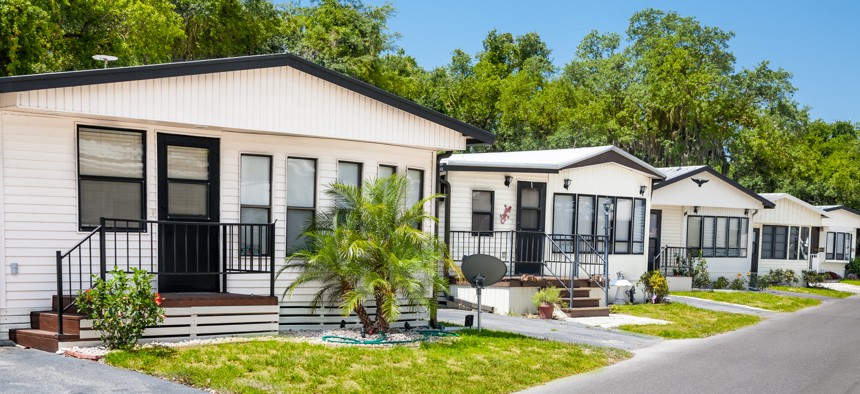
New design, technological, and financial trends are thus changing how affordable housing is being built in an effort to alleviate the shortage. Among these game-changing innovations are modular and prefabricated building techniques that will eventually be able to construct more quickly, at less cost, using more sustainable processes. These methods reduce construction waste, save labor costs, and are able to achieve scaling of housing projects in an efficient manner.
Other emerging trends include PPPs, or public-private partnerships. This includes increased collaboration between government agencies and for-profit developers with nonprofit organizations in financing, designing, and managing projects proposed for affordable housing. This approach would merge government oversight with private sector efficiency to produce flexible and effective solutions.
Green house initiatives also flourish-with energy-efficient designs, the integration of solar power, and the use of sustainable materials offer cost-cutting for residents, helping to meet the global climate goals. As sustainability becomes a key concern, affordable housing shifts to meet the present times’ economic and environmental needs.
The Role of Technology and Innovation
In today’s world, housing solutions are integrally linked with technology. Digital platforms, along with data analytics, support the policymaker to assess the requirements of housing and simultaneously monitor the progress of development; emerging technologies such as 3D printing have already started revolutionizing the construction industry in producing resilient homes at a fraction of conventional costs.
Several countries are testing whether the use of blockchain can better perform the land registration process, reducing fraud in properties, key elements for accessing affordable housing.
Challenges Ahead
With all these innovations, there remains a host of other challenges. Included in this list is the shortage of land in urban centers. High land costs prohibit the building of low-income housing near economic centers and pressure occupants to take residences further out from cities. This then creates problems associated with commute times, environmental impacts, and social alienation.
Low-income families generally have limited access to credit and mortgage options. It is, therefore, the responsibility of governments to pursue new financial instruments, subsidies, and rent-to-own models that provide more people with access to homeownership. The result of affordable housing stigma is that it has very limited acceptance into neighborhoods. A shift in public perception and the assurance that low-cost housing connotes high design and safety standards will be important in making urban environments inclusive.
Conclusion: Creating a Brighter Future
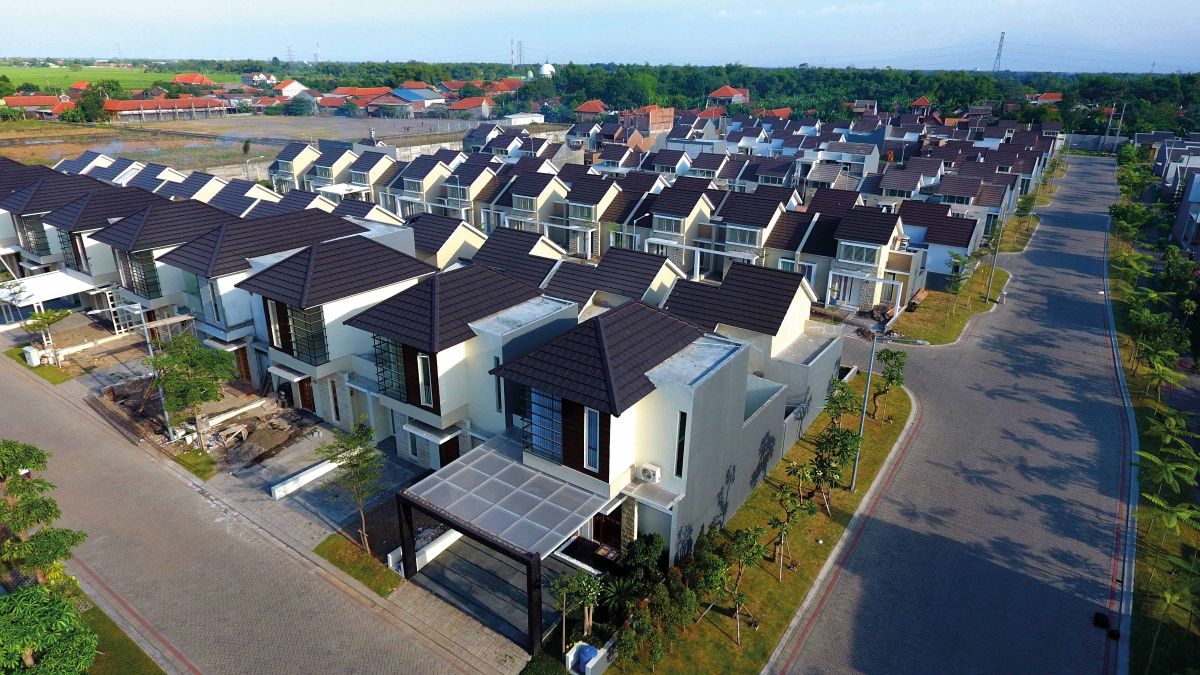
Affordable housing isn’t all about building more buildings but is actually building better communities and equitably built cities. Innovative housing solutions that are designed to be inclusive ensure a bright future for city living amidst economic uncertainty and climate change. As noted by architect Alejandro Aravena, a Pritzker Prize laureate, “The challenge is not to design houses, but to design opportunities.” That tells us that housing is something more than a shelter; it is a stepping stone to education, employment, and better quality of life.
Up ahead lies the road of collaboration among governments, innovators, and citizens in building homes that are affordable, sustainable, and accessible to all. Embracing new technologies and policies allows society to inch closer toward finding a solution for one of the oldest challenges facing human beings.