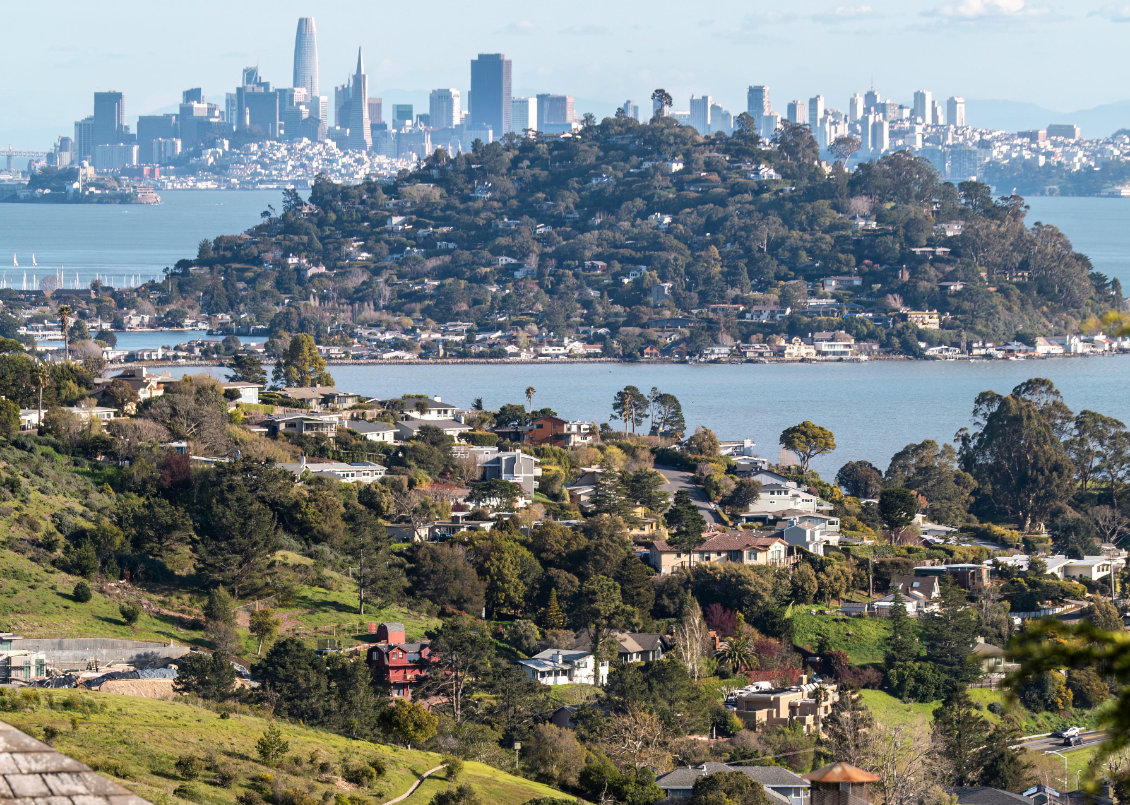
After decades of urbanization and city-centered lifestyles, families decide to move out of highly crowded metropolitan areas into suburban ones. What was once considered an escape from the hustle and bustle of city life has now shifted toward balance, affordability, and quality of life. This return of suburban living marks not only a demographic shift but a redefinition of what defines a quality place to reside.
A Shift in Lifestyle Priorities
For most of the latter 20th and the early 21st centuries, cities were a source of opportunity: a growing career, cultural vibrancy, and social mobility. Yet the fast-pace, high cost attributes of urban life have many families second-guessing their choices. Increasing property prices, congested traffic flow, pollution, and shortage of space in cities have made city living unsustainable for those looking for stability and comfort.
In a survey conducted for 2024 by the Pew Research Center, over 40% of urban workers now say they prefer suburban or rural settings due to reasons such as affordability, space, and proximity to nature. As Richard Florida, a renowned urban studies expert, once said, “The future of living is not just urban; it’s urban-suburban.” His thoughts describe how modern families combine the best of two worlds: the connectivity of the city and the tranquility of suburban life.

Affordability and Space: Key Drivers
One of the clearest drivers of the suburban movement is economic in nature. The cost of living within a major city is constantly growing; more importantly, this refers to the cost of housing. For the same amount that it would take to rent a small apartment in a city center, one can often buy large homes with yards and extra rooms in suburban areas.
The suburbs also promise a better quality of life in environmental and community respects: safer neighborhoods, less pollution, and parks, schools, and healthcare facilities attract young families who want stability for the long haul. For many today, the suburbs are not a compromise but an upgrade in lifestyle.
Technology and Infrastructure in Home Care
Remote work reimagines the geography of employment. With high-speed internet, virtual collaboration tools, and cloud-based systems, today’s professionals can be productive from literally anywhere. This is the technological freedom that has turned suburban and even semi-rural areas into attractive alternatives, offering in many ways more reasonably priced housing and improved living conditions.
Similarly, large investments in suburban infrastructure are also planned by governments and developers. These suburbs have been remade, becoming more connected and self-sufficient with the rejuvenated transportation network, smart city technologies, and new business hubs. The modern suburb is no longer isolated; it is actually an extension of the city’s ecosystem that offers a balance between tranquility and accessibility.
Cultural and Social Transformations
But beyond economics and technology, the cultural attitude about home life has changed. The pandemic reminded people of the need for space and comfort, along with family time. Home is increasingly a place to work, learn, and relax, not just a place to live in.
The suburbs, with their more relaxed pace of life and emphasis on community ties, also resonate with this new appreciation for in-home lifestyles. Local markets, parks, and community centers have become centers of social activity, leading to closer neighborhood relationships.
Challenges of the Suburban Comeback
With this comes a set of challenges: suburban development. An increasing population can strain infrastructure in a particular locality, leading to traffic congestion and putting pressure on the services provided by the local government. There is also an environmental impact; poor planning of suburban sprawls causes habitat loss and increases carbon emissions.
As a rule, urban planners focus on “smart growth”: defining suburban communities as walkable, energy-efficient, integrated with public transportation. Whether the suburban resurgence is here to last depends on striking the right balance between growth and sustainability.

Conclusion: A New Definition of Home
It isn’t only a migration trend that the return to suburban living evokes but a cultural shift in comfort and happiness. Today’s suburban living is not about escaping the city; it’s all about finding balance, working flexibly, and reconnecting with nature without losing access to the manifold opportunities that a city has to offer. For many families, 2025 will see a peaceful home no longer located right at the heart of the city but in quiet yet connected suburbs.