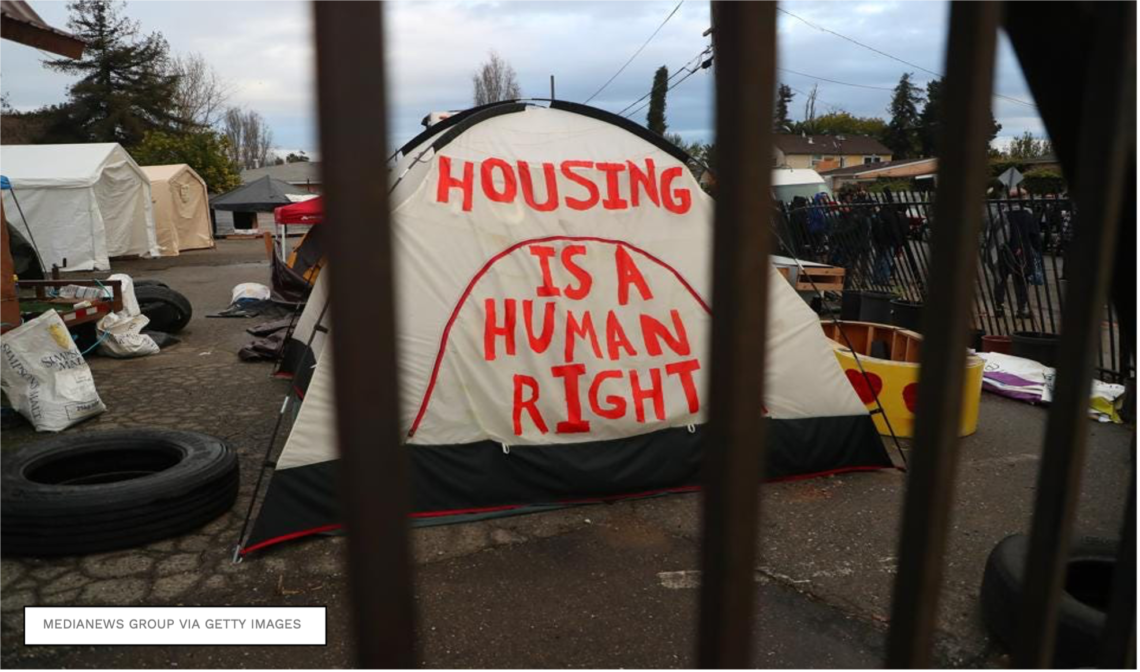
The world is facing one of the most acute housing shortages ever experienced in the modern world, be that in North America, Europe, Asia, or emerging markets. It has turned into a structural global issue wherein available and affordable housing is in short supply. Supplies cannot keep pace with demand at an alarming rate despite economic slowdowns, demographic shifts, and government intervention. Understanding the drivers of this global shortage is paramount for policy thinkers, investors, and families seeking homes.
Decades of Underbuilding Have Created a Massive Gap
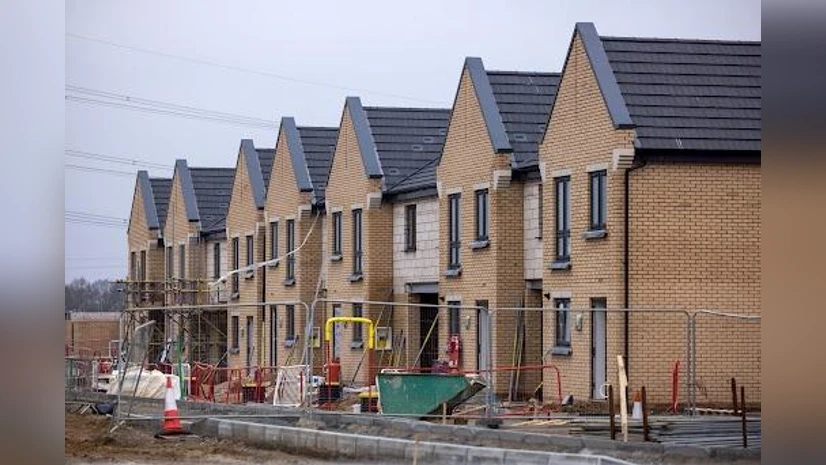
Underpinning the crisis is something rather simple: the world hasn’t built anywhere near enough homes over the last several decades. New homebuilding has badly lagged behind population growth and urbanization in many major economies. Strict zoning laws, slow permitting processes, rising development costs, and reduced public housing initiatives have combined to make chronic underbuilding endemic. As the gap persists and grows year by year, millions of families find themselves priced out of the housing market.
Housing Development Falls Further Behind Urbanization
Nevertheless, cities remain attractive to people seeking work, students, and families, and the development of housing in urban areas has in no way kept pace with demand. However, high land prices, limited availability, resistance to projects with high density, and strained infrastructure are major stumbling blocks. A severe mismatch between where people want to live and where housing is being built has thus come about. The most rapid shortages and increases in price occur in urban centers.
Construction Costs Are Swelling Globally
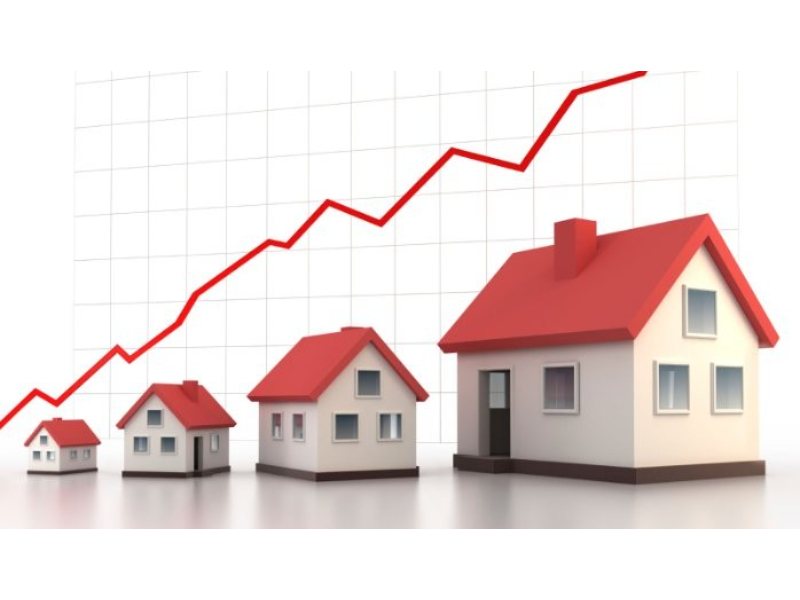
Over the years, it has become extremely more expensive to build homes. Supply chain issues and geopolitical tensions have meant surges in the cost of materials-from steel to lumber. Labor shortages in construction industries force wages upward, while the more stringent building standards related to the environment also raise the overall cost of development. Many developers now either delay or cancel projects, drastically reducing new housing supply, thus pushing prices upward.
More Investors Buying Homes Than Ever Before
As a class of buyers, institutional investors are a growing force in the world’s housing markets. Large corporations and private equity firms buy up single-family homes, blocks of rentals, and large portfolios of housing. They crowd out individual buyers through their buying power by outbidding them and thus reduce available inventory. At the same time, growth in short-term rental platforms reduces long-term supply, especially in tourist cities. These investor-driven trends further exacerbate the supply shock.
Demographic Shifts are Driving Housing Demand
Demographic change remains the fundamental driver of housing demand, even though population growth has slowed in many parts of the world. Smaller household sizes increase the number of homes required. Many people live alone; most couples delay getting married. Aging populations mean new needs for housing. Migration for education, better employment, or climate safety places additional pressures on regional housing markets.
Government Policies Haven’t Kept Pace
In many countries, however, antiquated regulations concerning housing prevent supply from expanding. These take the form of restrictive zoning, onerous approval processes, lack of incentives for developers to provide more moderately priced housing, and poorly funded public housing. Supply simply cannot begin to keep pace with demand, even in those markets where private-sector interest is strong, due to a lack of agile and modern policymaking.

Climate Change Is Making the Crisis
Worse Extremes of weather are destroying homes faster than they can be rebuilt. Floods, wildfires, and storms force people to relocate, increasing population pressure in safer areas. Climate migration is fast emerging as a major driver of housing demand. Increasing insurance and construction costs in high-risk regions, likewise, limits new construction and makes the supply problem worse.
Conclusion
Underbuilding over many decades, rapid urbanization, rising construction costs, demographic changes, investor dominance, and regulatory constraints have led to the current crisis in global housing supply. Climate change and geopolitical disruptions add further stressors. As a result, global demand is outstripping supply, and prices rise to levels where millions of households cannot afford a home. This crisis will be solved only through coordinated, long-term action: updating zoning laws, investing in public housing, streamlining permitting, promoting innovative construction technologies, and encouraging responsible investor participation. Without decisive action, the imbalance between supply and demand will continue to widen-making housing less accessible and more expensive for future generations.