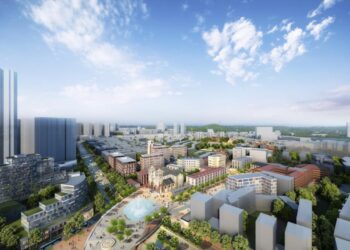
Eco-friendly and energy-efficient properties have seamlessly transitioned from being an elite choice to becoming the new norm in the global property market. With rising environmental concerns and unstable energy prices, buyers as well as investors are giving increasing importance to properties that provide long-term efficiency, lower operational costs, as well as environmentally friendly options. This trend is significantly impacting residential as well as commercial property strategies.
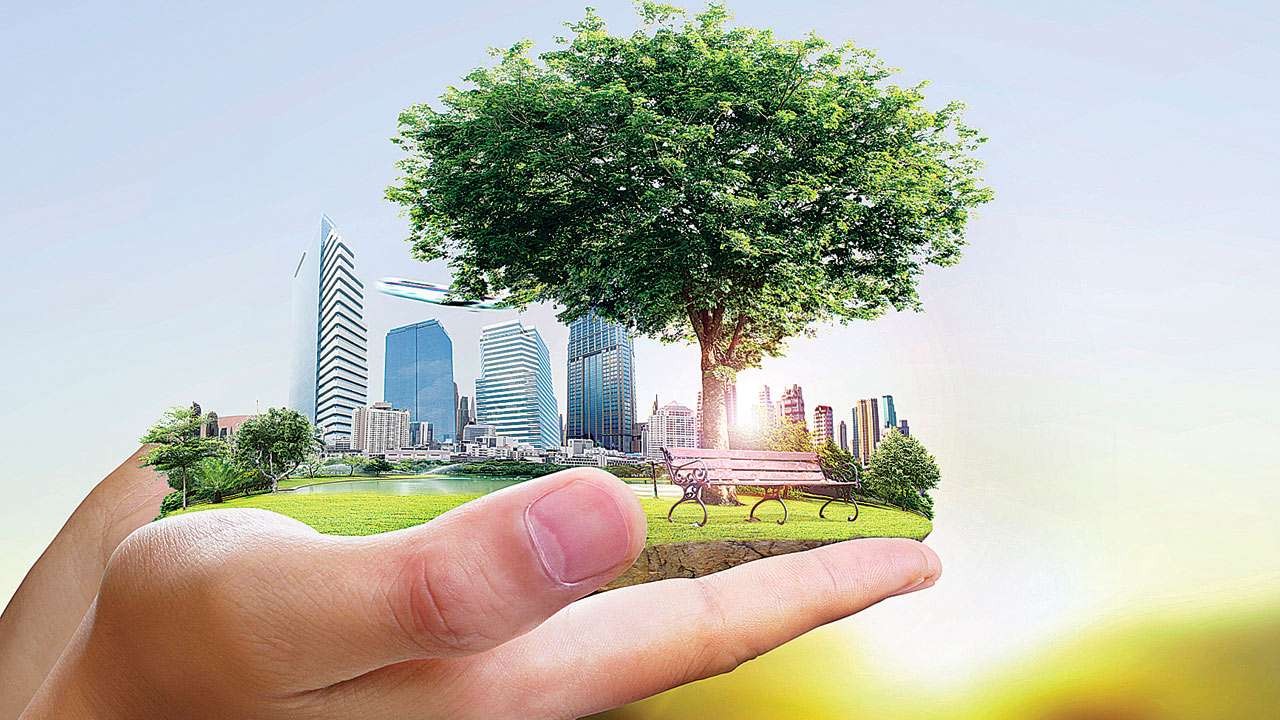
Energy Efficiency as a Key Market Driver
One key factor that has fueled the rising need for more sustainable real estate is energy efficiency. Houses that incorporate energy-efficient systems such as solar panels, intelligent insulation, energy-efficient appliances, and optimized HVAC solutions offer substantially reduced energy bills. As such, for the homebuyer, this implies added value for money, while for the investor, this implies higher returns due to low operational costs that would appeal to would-be tenants.
Another key element in the growth of green buildings is regulatory pressure. Many governments around the globe are implementing tough regulations regarding the standard for buildings, their energy efficiency, and reduction in carbon emissions. If buildings do not support such standards, they might have to pay extra taxes, undergo costly renovations, or become less marketable in the future. Hence, investors have become inclined towards green-certified buildings.
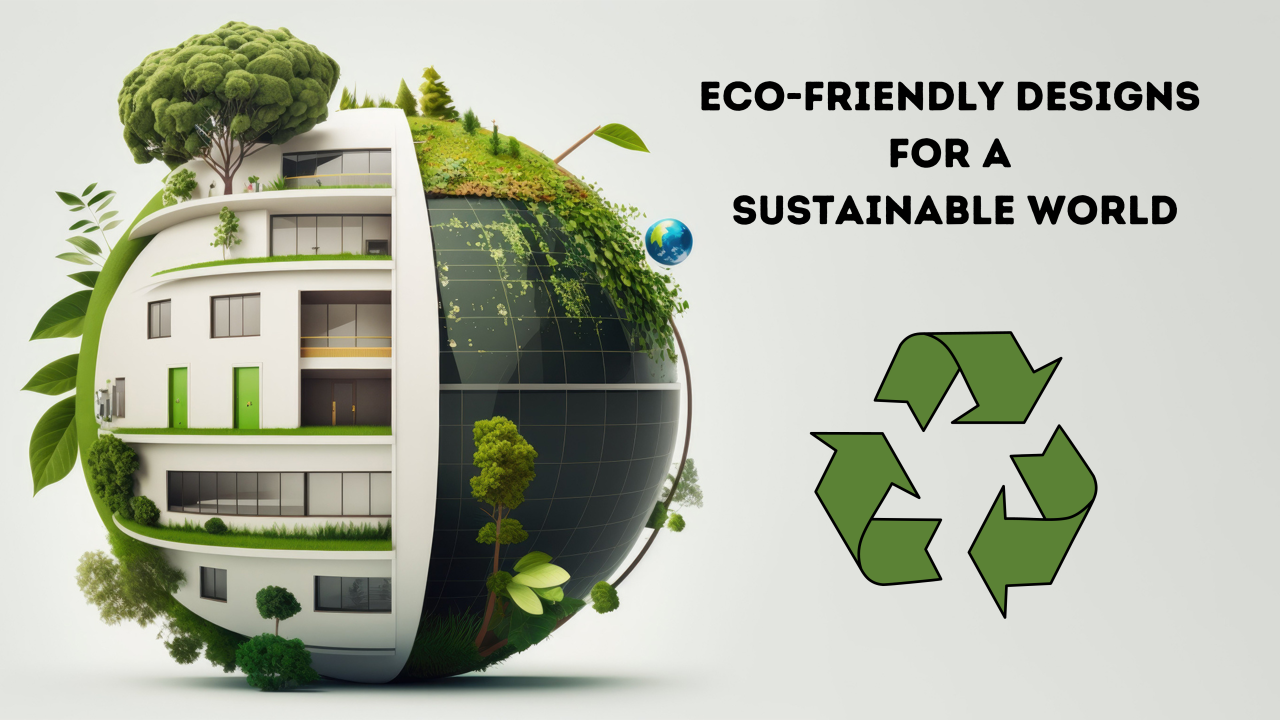
Sustainability as a Lifestyle Choice for Modern Consumers
For the consumers, being sustainable is the norm—it not only has to do with being environment-friendly; there is also the aspect of lifestyle and convenience. Energy-efficient houses may include better indoor air quality, better temperature regulation, and overall healthier living. The elements that contribute to better living include natural lighting, sustainable materials used, and efficient use of water. This looks especially appealing to the younger generation of consumers that include millennials and generation Z.
For real estate investors, green properties are actually more robust in adapting to the fluctuations that occur in the real estate market. Research has consistently demonstrated that green buildings areable to fetch higher resale value and enjoy lower vacancies. In the case of commercial real estate investments, organizations are increasingly focusing on green offices related to their environmental obligations and image. This boosts the requirement of green real estate properties.
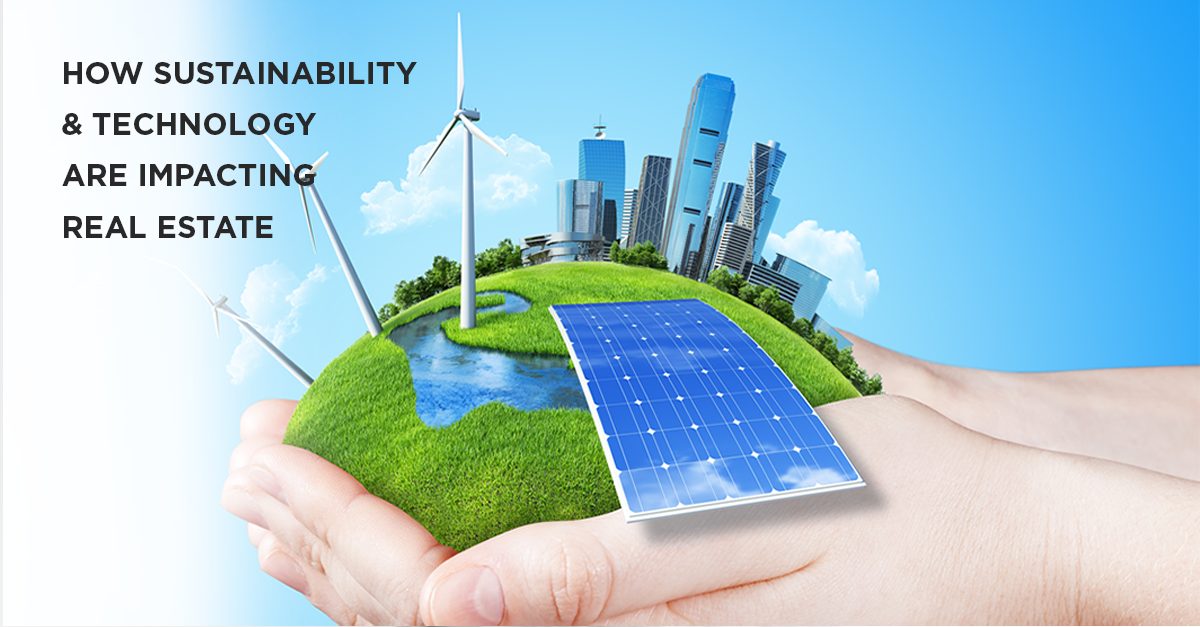
Technology and Innovation in Energy-Efficient Real Estate
Technological advancement is also fueling the adoption of energy-efficient real estate. This is because smart home solutions, energy management systems, and AI-based building management solutions make it possible for real estate investors to manage energy waste. This not only improves the efficiency of real estate but also enhances the value of properties.
Going forward, sustainability is likely to emerge as a key differentiator in property valuation. This is because, considering the rising costs of energy and risks associated with climate, buyers will see green properties as more secure, intelligent, and profitable investments. Developers incorporating green concepts in their projects at a preliminary construction phase would find themselves at a competitive advantage in this dynamic environment.
Conclusion
The day has arrived when sustainable and energy-efficient properties are not a choice, but a priority. On one side, sustainable and energy-efficient properties are a lucrative opportunity not just for buyers, but also for investors in the real estate industry.
However, with the advent of sustainable and energy-efficient properties, the real estate industry will continue to navigate this tough environment with sustainability being the epicenter of this journey.