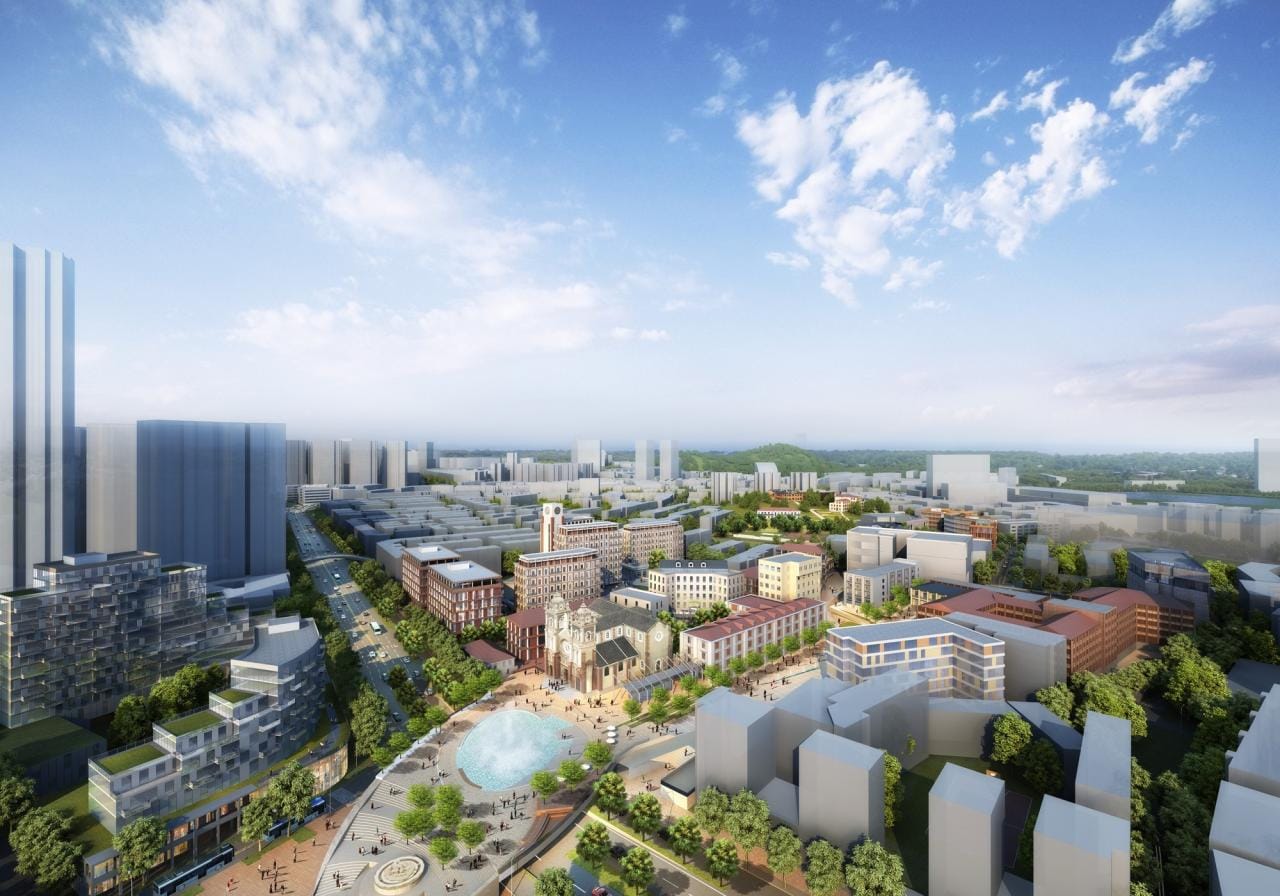
Owing to the rising size and complexity of urban areas, the concept of urban renewal has now turned out to be imperative in redefining real estate. With the rapid urbanization of cities across the planet, it has led to the aging of the existing infrastructural base in urban areas. This development has opened up new avenues in the concept of urban renewal, as underutilized urban areas can now be converted or redeveloped to make them productive and sustainable.
The Growing Need for Urban Redevelopment in Expanding Cities
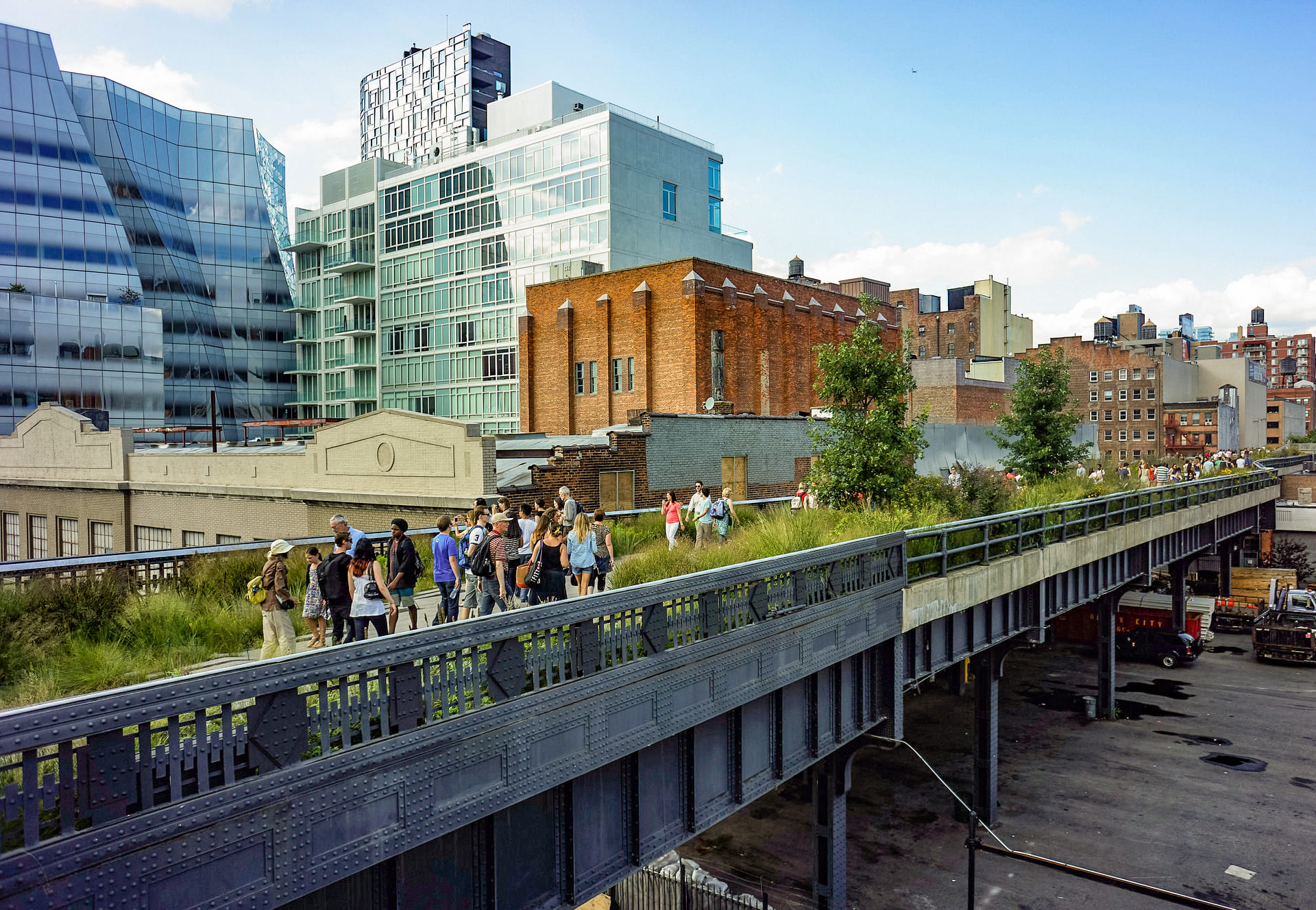
One of the most famous instances would be the High Line in New York City. It began as an abandoned elevated train track used by freight railways. It was then converted into a linear park that incorporates green spaces and art. Not only did this project give new life to a historic structure, but it also sparked a great deal of real estate construction in the area. There would be luxury condominiums and hotels constructed in the vicinity.
Landmark Urban Renewal Projects in the United States
Another significant major development being undertaken in New York is the Essex Crossing in the Lower East Side area of New York. This major development was undertaken in the land that remained vacant for several decades and entails the development of residential spaces, shopping centers, offices, and cultural and community spaces. This development also demonstrates the role of public and private collaboration in the major development of New York.
European Models of Sustainable Urban Transformation
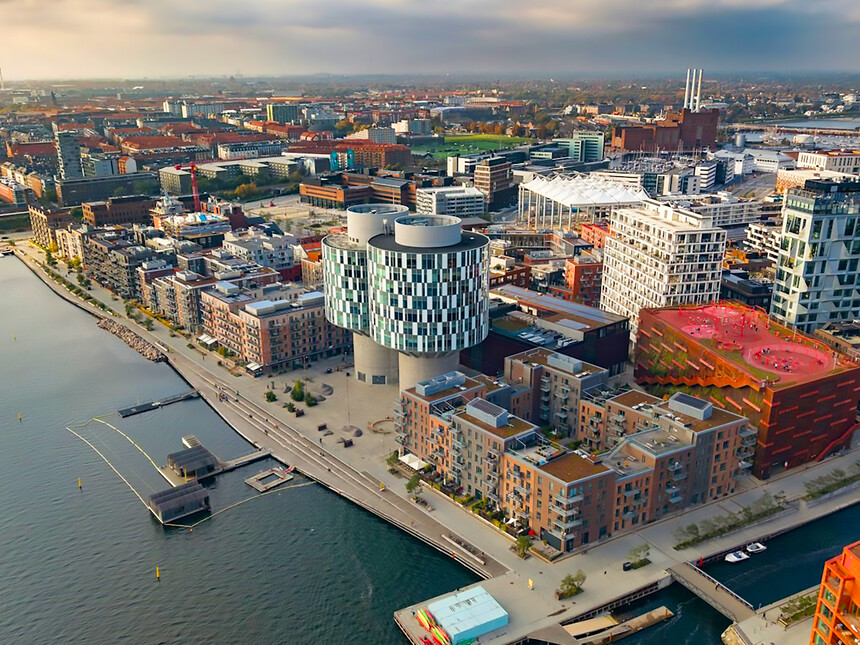
In the European continent, the Nordhavn area in Copenhagen, Denmark, is a brilliant example of sustainable transformation. Initially, it was an industrial port zone, but now it has been transformed into a mixed-use waterfront community with the idea of walkability, cycling networks, and public access to open space in mind. It adheres to the principles of future-oriented urban planning, connecting transportation, residential space, and commercial property.
Correspondingly, Barcelona’s 22@ District has also redeveloped the former industrial neighborhood of ‘Poblenou’ into an ‘innovation and technology’ district. By integrating old industrial buildings with offices and residential buildings, the area was able to lure corporate giants and talented people from across the globe. This model can be applied to revamp old industrial areas with lost economic significance.
Asian Approaches to Social and Environmental Urban Renewal
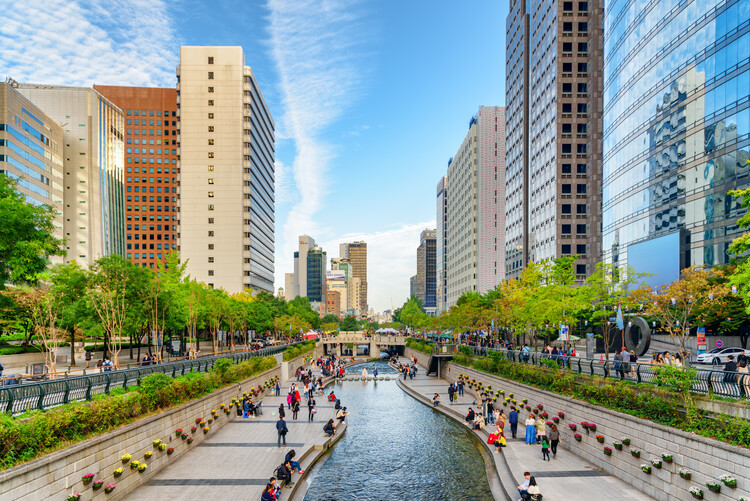
In Asia, redevelopers have incorporated social as well as environmental factors. The Cheonggyecheon Stream restoration in Seoul, for example, replaced an elevated expressway with a redeveloped natural stream and public space. On the other hand, other cities like Ahmedabad, India, incorporate mechanisms like transferable development rights for upgrading slums, apart from preserving historic districts.
Conclusion
From these urban redevelopment case studies, it has become apparent that one thing stands out: when it comes to real estate transformation, a comprehensive strategy must be adopted. These cases that incorporate mixed-use development, public spaces, sustainable development, and community engagement will likely achieve the highest levels of sustainable outcomes. In fact, urban redevelopment no longer refers to the development of real property or buildings, as it did in the past, to solve contemporary urban challenges, as urban issues continue to escalate internationally.