The sector faces one of the most fundamental changes it has seen in decades. What began as temporary stop-gap measures have grown to be so deeply ingrained into corporate culture that they are permanently changing demand for office space. What was very much an emergency response to the pandemic has developed into a longer-term structural shift, pushing developers, investors, and occupiers into serious reevaluation of how commercial properties will be used, valued, and designed. Remote work is changing much more than just office demand; it’s changing the whole landscape of commercial real estate.

Remote Work Becomes Permanent: The Catalyst for Market Shifts
Before 2020, remote working was the preserve of forward-thinking companies offering this as a niche benefit. Today, it is a mainstream global standard. Many corporations have moved to hybrid models where employees split their time between home and the office. For this reason, the needs for large central office spaces have dramatically reduced.
Companies are shrinking their headquarters, moving to flexible space, or leaving for secondary markets where rents are cheaper. Office vacancy rates are at a record high across major metropolitan districts that have long formed the backbone of commercial real estate.
For landlords and property managers, the issues are becoming increasingly multi-dimensional: where long-term leases dominated, short-term and flexible agreements are increasingly common; tenants demand adaptable layouts, collaborative zones, and technology-enabled facilities to support hybrid workforces. Properties unable to adapt to these changing standards are becoming obsolete with speed, thus triggering a wave of renovations, repurposing, or even full conversion for residential or mixed-use development.
A Shift to Flexible Spaces and Co-Working Models
Remote work accelerated the adoption of flexible workspace solutions. Coworking is regaining momentum as companies begin to adopt hybrid approaches meant to cut overhead and boost agility. Large enterprises once tied to massive corporate campuses also increasingly incorporate flexible office arrangements into their long-term strategies.
This demand for flexibility creates new opportunities in CRE-buildings that can be easily reconfigured or divided for shorter-term uses are in high demand, while coworking operators are extending their reach to suburban markets closer to the homes of remote employees. The hubs will offer the ability for colleagues to work in person together, yet closer to home with no long commutes into city centers.
Urban Office Markets Confront Long-Term Uncertainty
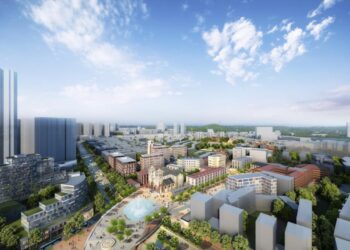
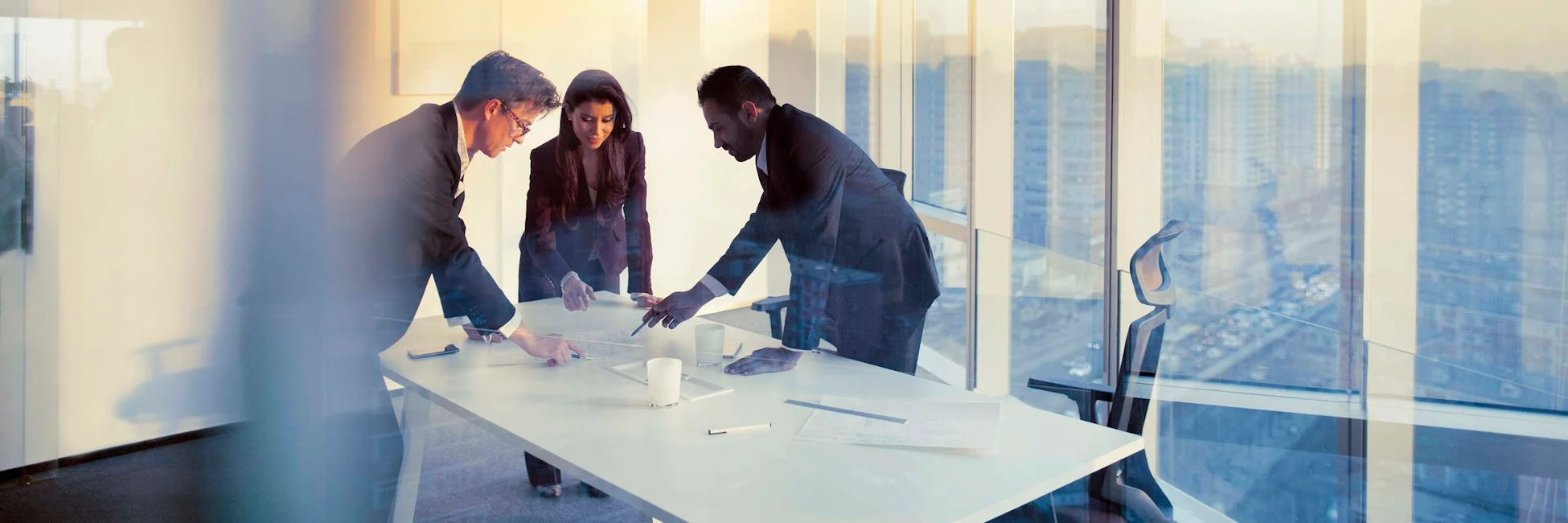
Downtown office districts have an uncertain future. Many city centres face either declining leasing activity or both falling property valuations and long-term oversupply. Sharp price drops have occurred in several markets as investors reassess the risk and expected return trade-off. Buildings that are either older or poorly energy-efficient may never recover their pre-pandemic value.
This has sparked interest in repurposing little-used office assets into residential units, hotels, or mixed-use projects. But the implications go much further than real estate. Less foot traffic means less business for the retailers, restaurants, and service providers who depend on office workers. Municipal governments can count on shrinking tax revenues based on property values and business activity. Such ripple effects suggest how remote work is continuing to reshape the larger economic geography of major cities.
CRE Adapts: Sustainability and Technology Take Center Stage
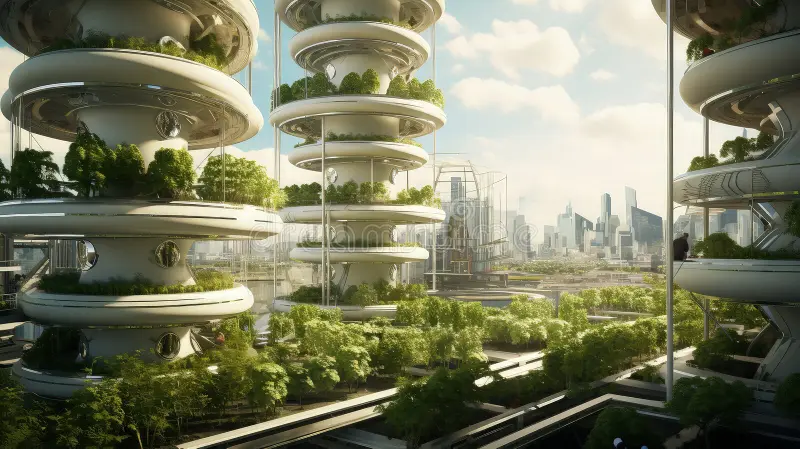
With the market still in evolution, much investment by owners is being channeled into modernization. Properties that will remain competitive will include all the essential elements of sustainability, energy efficiency, and technology. Today, high-speed connectivity, smart building systems, superior HVAC performance, touchless entry, and collaboration spaces fit for hybrid teams are a must for modern offices. Besides having an impact on tenant satisfaction, the improvements put buildings in a better position with respect to increasing environmental regulations and ESG standards. Investor interest is gradually shifting towards assets that promise long-term resilience, lower operational costs, and high levels of sustainability.
A New Era for Commercial Real Estate
Remote work is pushing the CRE sector into this new phase of transformation. While traditional office demand may never go back to its pre-pandemic level, new opportunities will start to emerge, including flexible workspaces, modernization projects, and conversions into mixed uses, among others. As companies continue to refine their strategies in hybrid work modes, the CRE industry should be in a position to adapt and constantly look toward innovative ways for the future. Commercial real estate is not going away; it is only changing. In this new world, the winners will be those that can embed flexibility, put innovation at the forefront, and design spaces to suit the needs of their distributed global workforce.
Conclusion
The shift to remote and hybrid work has irrevocably altered the commercial real estate landscape, forcing a complete reevaluation of the design, usage, and valuation of office space. Of course, rising vacancies and declining urban demand also present challenges, but these are somewhat offset by emerging opportunities in flexible work environments, tech-enabled buildings, and mixed-use redevelopment. The future of the CRE sector will be for those who can innovate, stay nimble, and keep pace with the needs of an increasingly mobile and digitally connected workforce.