Commercial real estate is in the phase of recovery from the turmoil that had affected the sector over the last few years due to global economic uncertainty, inflation, and changes in the pattern of work. The commercial real estate market is in the phase of gradual recovery, and the office, retail, and industrial sectors are slowly but surely getting back to normal. It is imperative to understand the dynamics of the different types of commercial real estate in the current market scenario.
Office Market: Redefining Space and Purpose
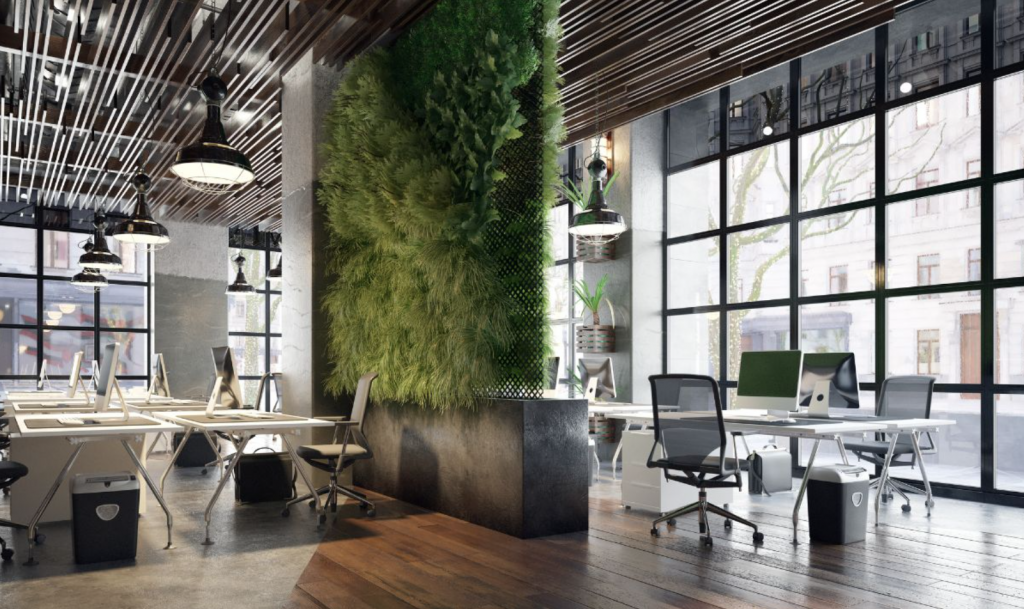
Office space is the sector that has undergone the biggest change in the last few years due to the change in the pattern of work from traditional offices to remote and hybrid styles of working. This change in the pattern of work has affected the demand for traditional office space, resulting in a rise in the vacancy rates in the office space in the major cities in the world. The office space is in the strong phase of recovery due to the trend of ‘redefining space and purpose,’ rather than following the traditional trends.
In the current scenario, it is not the quantity that matters, but the quality that matters. The offices that are in demand in the current scenario are the modern offices, also referred to as the ‘new-age offices,’ which are equipped with the latest facilities, cutting-edge technology, wellness, and sustainability. These types of offices are in the strong phase of recovery compared to the traditional offices. The CBD offices are in demand, but the problem faced by the secondary offices is that of repositioning or development. This problem is resulting in the trend of ‘adaptive reuse,’ where the old office buildings are being converted to residential buildings. The ‘adaptive reuse projects’ are in the strong phase of recovery in the office space sector.
Retail Real Estate: Experience-Based Growth
The retail sector is also showing positive signs of recovery, especially in experience-based retail. Retail malls have experienced a successful transformation from their troubled past during the peak growth period of the e-commerce business. Mixed-use retail is gaining popularity in the retail market. This is a combination of retail, dining, entertainment, fitness, etc.
Neighborhood retail, grocery-based retail, essential retail, etc., have all done well. The retail sector is slowly adapting to the concept of omnichannel retailing, where retail stores are used as fulfillment centers, showrooms, etc. This has resulted in the demand for retail property increasing, especially those that are well-located. This has resulted in the vacancy rate falling in the retail sector, indicating a revival.
Industrial Real Estate: The Growth Story Continues
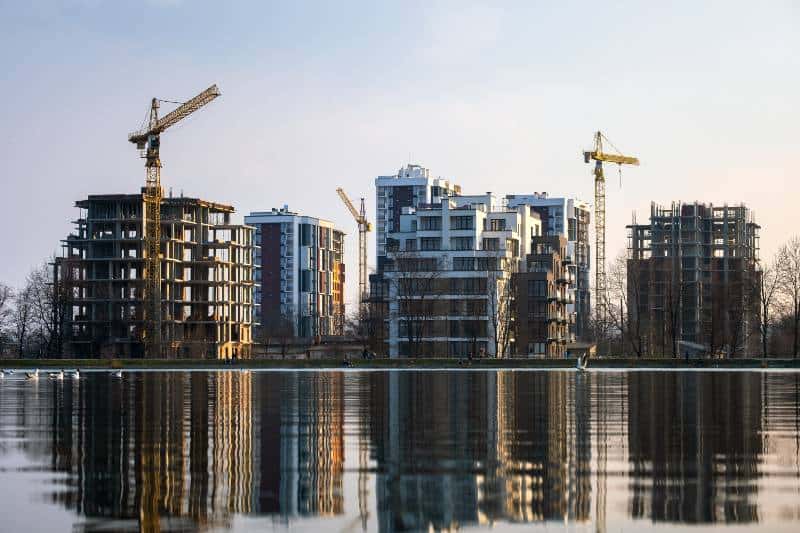
Among all the types of property, the industrial property segment is experiencing robust growth. The demand for warehouses, logistics, etc., is increasing. With the growth of the e-commerce business, the demand for such property is increasing. With corporations trying to optimize their logistics, the demand is increasing, especially for industrial property that is located close to urban areas.
New supply is coming into the market in the form of industrial property. The vacancy rate is still low. The increase in rents is slowing down but remains positive. This is because the fundamental factors are still positive. The stability of the industrial property segment makes it an attractive investment option in a challenging economic environment.
Investment Outlook and Market Risks

From an investment point of view, the recovery of the commercial real estate sector hinges upon the stability of interest rates as well as the overall performance of the economy. Though the funding conditions have been more selective than in previous years, the overall clarity of the market as well as the opportunities make it an attractive proposition for investors to enter the sector once again. Today’s requirement for investors is quality, quality of tenants, as well as flexibility.
There are risks involved in this sector as well, including refinancing risk, regulatory risk, as well as regional demand risk; however, markets including sustainability, technology, as well as mixed-use properties, have a high probability of performing well.
Conclusion
The recovery of the commercial real estate sector is a reality; however, it is specific to different types of properties. There is an overall transformation of offices to flexible as well as high-quality offices; retail is reinventing itself as experience-based retail; and industrial properties are on a structural demand trend. As the economy normalizes, the sector is shifting from survival mode to growth mode, creating opportunities for visionary investors as well as developers.