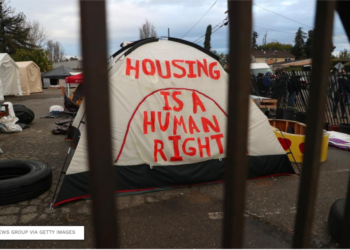
This is a puzzle that has remained with renters, landlords, and even policymakers: Rental prices continue to surge across major cities in the world amid slow economic growth and weakened consumer spending. In normal conditions, weaker economic activities should change into lesser demand for housing and consequential softening of rental prices. But in the year 2025, that is not what happens. Understanding why rents remain so high requires closer understanding of structural housing shortages, demographic pressures, and mismatches between supply and demand.
The Root Cause Is a Persistent Shortage of Housing
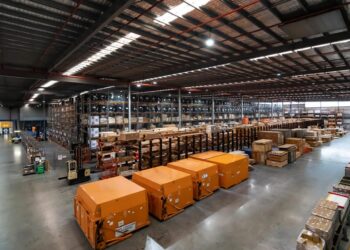
Another leading cause of continuously rising rents is the shortage of housing that most countries have suffered for years. In more than ten years, new housing has not kept pace with the growth of population. The result is competition for available rental units, irrespective of the state of the economy.
Several underlying issues account for this shortage :
- Limited land availability in urban centres
- Slow permitting and zoning restrictions
- Increasing construction costs
- Labor shortages in the building industry
These constraints have made it very difficult for developers to build enough rental units, and the supply gap continues to widen each year. Even in periods of slower growth, however, the fundamentals of limited supply and strong demand have maintained rental prices at a high level.

High Interest Rates Make Homeownership Less Affordable
Another critical driver of rising rental prices has to do with the current high-interest-rate environment. While mortgage rates remain high, many would-be homebuyers have decided to either delay or cancel their plans to buy a home. In lieu of this, they would like to rent for extended periods.
Thus, a ripple effect does occur :
- Fewer individuals transition from renting into homeownership
- More demand is focused within the rental market
- Landlords have greater pricing power
The chasm that exists between renting and buying has increased enough for some that the former is the only feasible choice. As long as the interest rates do not come down, upward price pressure will continue to be witnessed in the rental market.
Urban Migration Patterns Continue Despite Slower Growth
Despite the decrease in economic growth, the level of urban migration remains quite high. Employment opportunities, education, preference for lifestyle, and access to public services bring an ever-increasing number of people into large urban environments.
The cities with the most established tech sectors, burgeoning finance centers, or top-ranked educational institutions welcome the most new citizens. Since most movers initially seek housing in the rental market, their arrival adds to an already high level of demand.
With limited housing supplies in the most desirable metropolitan areas, spikes in rents are inevitable.
Inflation Keeps Operating Costs High for Landlords
Inflationary pressure is still sculpting the rent landscape. Even while headline inflation stabilizes, landlords face higher operational costs :
- Property taxes
- Insurance premiums
- Building maintenance
- Utilities and services
- Security and cleaning staff wages
Many of these increased costs have been passed along to tenants in the form of higher rents month after month. Insurance and property taxes have greatly increased in double-digit rates in many regions, which provides little leeway for landlords other than increasing prices to preserve profitability.
Short-Term Rentals Reduce Supply for Long-Term Tenants
In recent years, new competitors have emerged for available housing units: platforms like Airbnb and others specializing in short-term rentals. Owners can often raise more in leasing their property to short-term guests than from traditional long-term rentals.
This cuts into the availability of homes for rent to local residents and puts additional pressure on long-term rental prices in tourist-heavy or business-travel destinations. Cities attempting to regulate short-term rentals have had mixed success, and enforcement remains spotty.
Rental Demand Strengthens as Households Change Structure
Another factor, often neglected, relates to changes in household demographics. More people are living alone, forming smaller households, or delaying marriage. Such trends increase the number of individual renters even when population growth slows.
A single household renting a unit uses more space per person than a family of four sharing a home. As household size shrinks, demand for rental units increases—even during economic slowdown.
Outlook: Will Rental Prices Ever Slow Down?
Economic growth is slowing, but the structural drivers to rising rental prices have not changed. In the absence of dramatic improvements in housing supply, significant cuts in interest rates, or far-reaching rental reforms from governments, rental prices will be high across 2025.
Longer term, the easing of pressure on rents will require :
- Faster construction of houses
- Affordable housing incentives
- Relaxed zoning restrictions
- Better regulation of short-term lets
- More access to financing
Until then, renters in many cities will continue to shell out more every month, an ongoing reminder that rental inflation frequently doesn’t align with the broader economy.
Conclusion
The continued rise in rental prices—despite slower economic growth—reveals that the rental market is driven less by short-term economic cycles and far more by deep structural problems. Severe housing shortages, soaring construction costs, high interest rates, strong urban migration, inflation-driven operating expenses, and reduced long-term rental supply all contribute to sustained upward pressure on rents. Unless governments and private industries work together to expand supply, reform regulations, and improve affordability, renters worldwide will continue to face increasing financial burdens. The rental crisis is structural, not cyclical—and without decisive action, it will only grow more difficult for future generations.